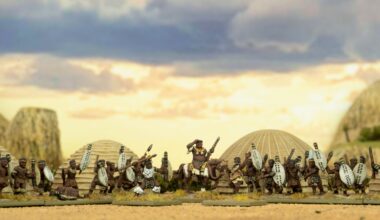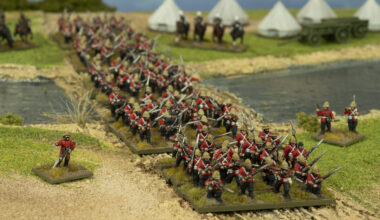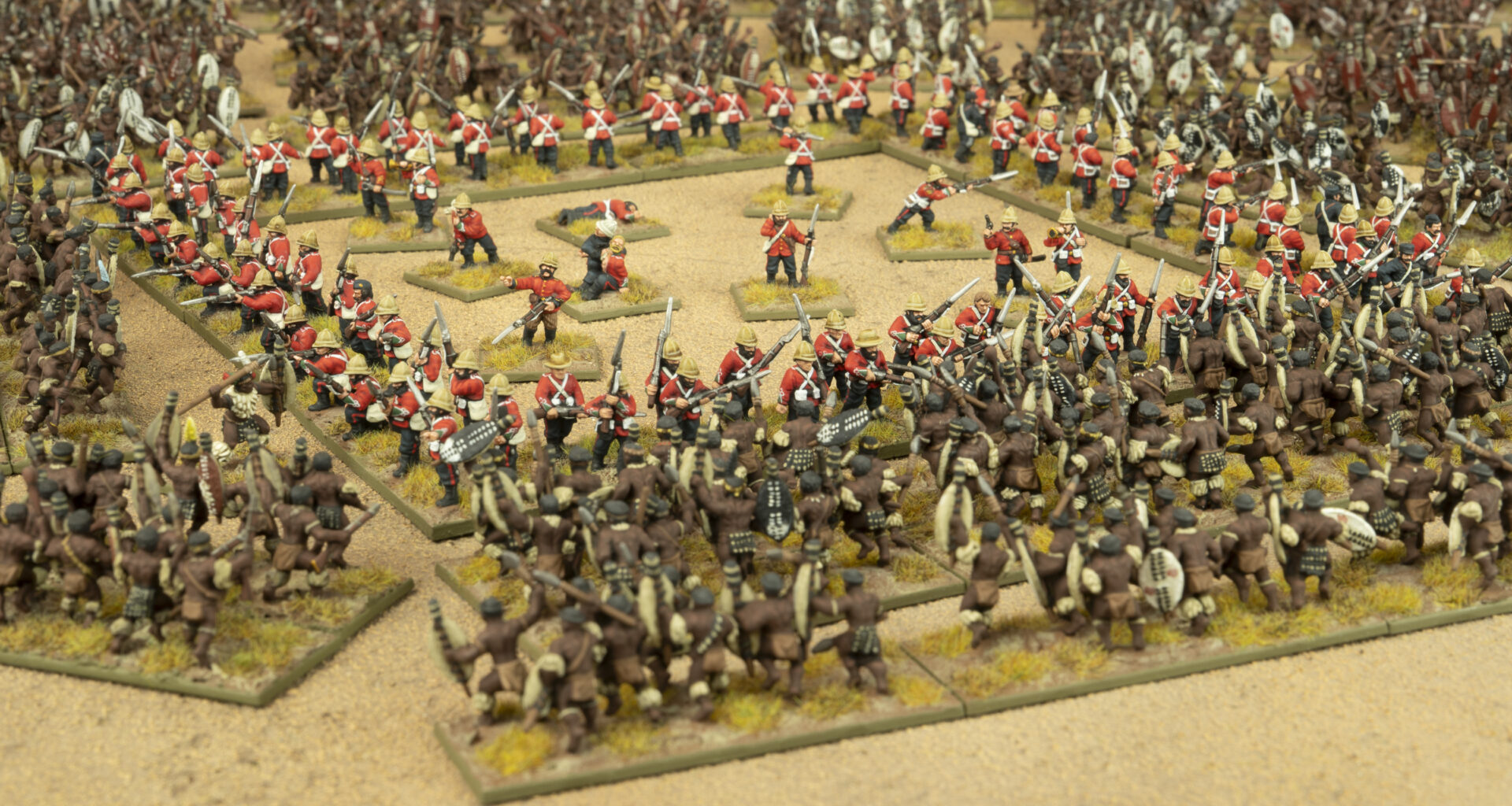
Pete Brown has been hard at work bringing Epic Battles: Zulu! to life, and naturally we asked him to tell us all about the process! Spill the beans, Pete!
It came as no surprise to me when John Stallard announced that the next line for the popular Epic Battles range would be the Anglo-Zulu War. This period has always been a favourite of John’s, and anyone who has visited his house and seen the quantity of Zulu War books weighing down his shelves will not have been surprised either. What did surprise me was the ambition. This would not just be a box of Zulus and a box of British (although you can get those as well!), but a full-blown attempt to recreate the most famous battles of the war: Rorke’s Drift and Isandlwana.
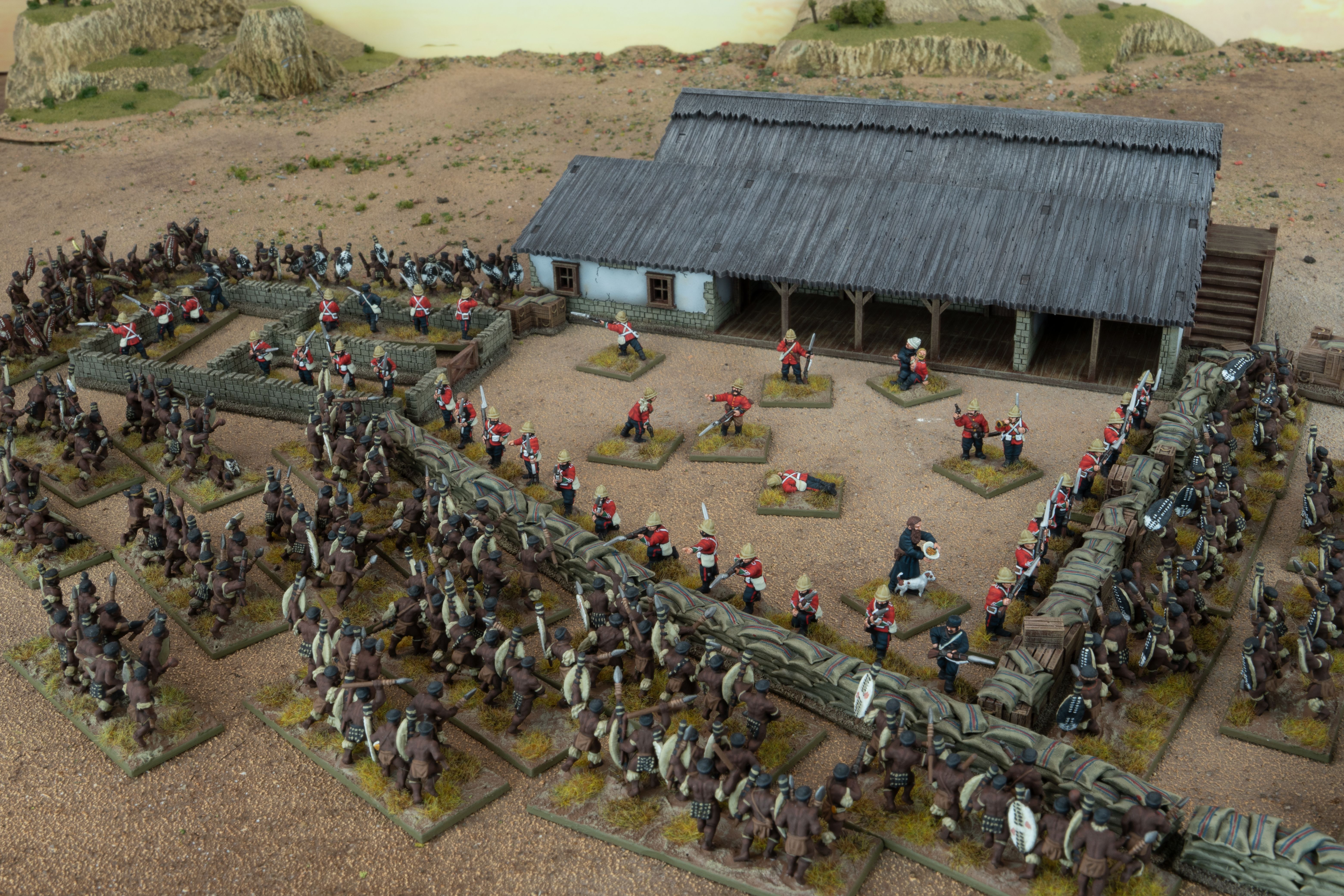
In the early meetings John presented the models of the Rorke’s Drift buildings and they were stunning. The detail and quality of the models was excellent, but John had also made sure that the buildings would work in our wargames. Room sizes matched base sizes and the models, and were historically accurate to ensure both Zulu and British commanders would face the same challenges that their historical counterparts did. The additional extras in both sets showed an attention to detail and historical accuracy that blew me away. This was going to be an excellent product.
My role in all this? To review and re-write the Black Powder Epic Battles rules to ensure they would work for this period, and produce the same results as happened historically. I was very conscious that this excellent product was going to require excellent rules to support it. So, no pressure then!
Upscale, Downscale
Fortunately, I was able to access the Zulu! supplement, written by Neil Smith, which dealt with the history of the war and how to wargame it in 28mm. All of the background detail remained relevant (and the book was an excellent source of information) but often the special rules and the manner of refighting the battles in 28mm would not translate well to Epic scale. To begin with, Epic battles are large enough to fight the entire encounter, not just a section of it as you are often forced to do in 28mm due to table size restrictions and the availability of miniatures. This allowed us to be much more ambitious about the scale of the scenarios we could present in our supplement!
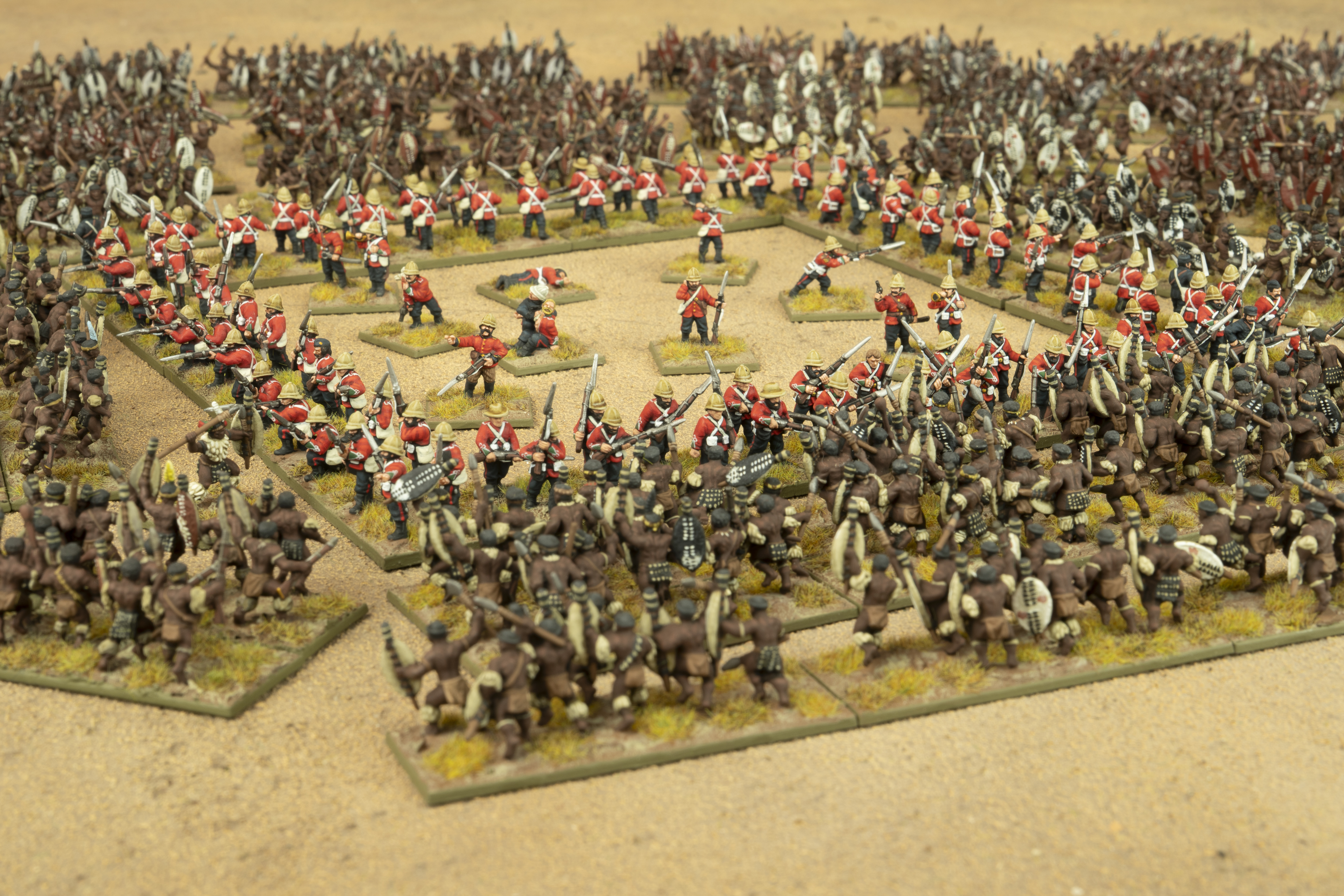
And so, I began the work of looking at the various battles of the war and working out what adjustments we needed to make for Epic scale. Epic allows you to be much more ambitious about games like Isandlwana, with the idea of representing all of the units at the battle no longer a pipe dream.
Zulus! Faaaaaasands of ‘em!
I like Epic Battles for a couple of reasons. Firstly, you don’t need such a large table to play out large battles. On a standard six by four table, you can play out brigade level encounters in 28mm, but when you play Epic the step down in size lets you play much bigger battles.
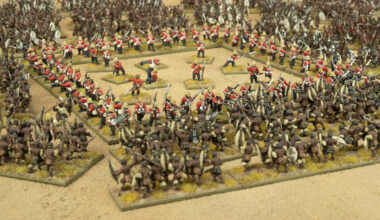
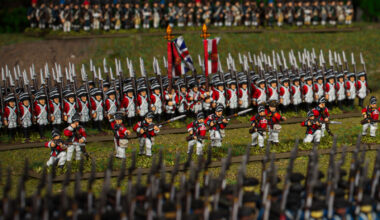
The second thing I like about Epic is that you can have big units. And I mean BIG units! In the previous AWI release I have seen players build battalions of over 100 miniatures, which look fantastic on the table. In designing the rules for Epic Battles: Zulu!, I wanted to encourage this megalomania but also allow players to have smaller units if they wished. It was important that the rules worked no matter what ‘scale’ of game you wanted to represent.
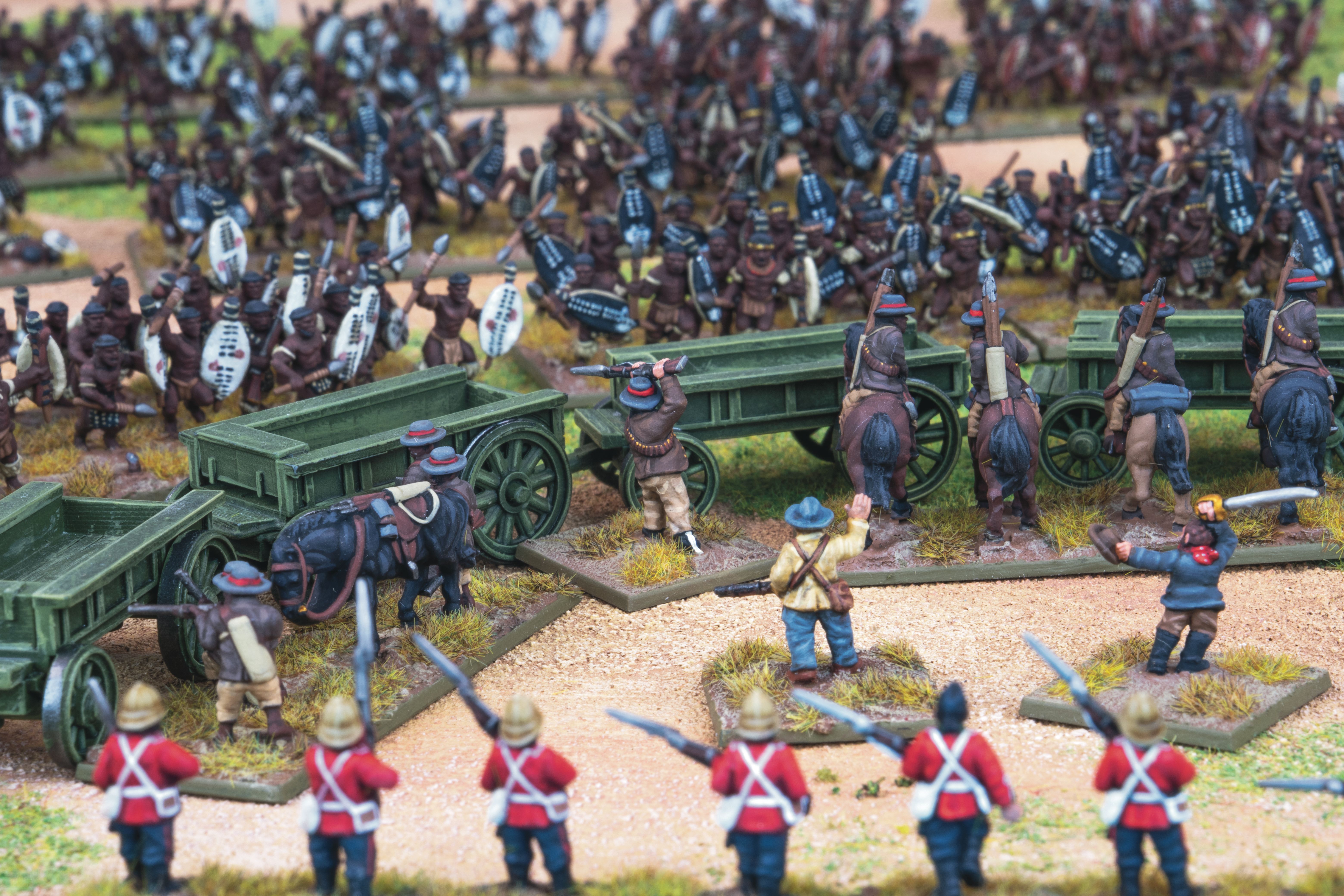
For example, a single Impi ambushing a British supply column manned by a couple of companies could see you represent each British section as a base or two of miniatures, whilst the Zulus could be similarly broken down into smaller constituent parts. If you then wanted to game Isandlwana, a couple of bases of British would now represent a company which could act independently of its battalion. Taking this to its logical conclusion, there are enough British miniatures in the Rorke’s Drift boxed set for you to represent the garrison on a one-to-one basis!
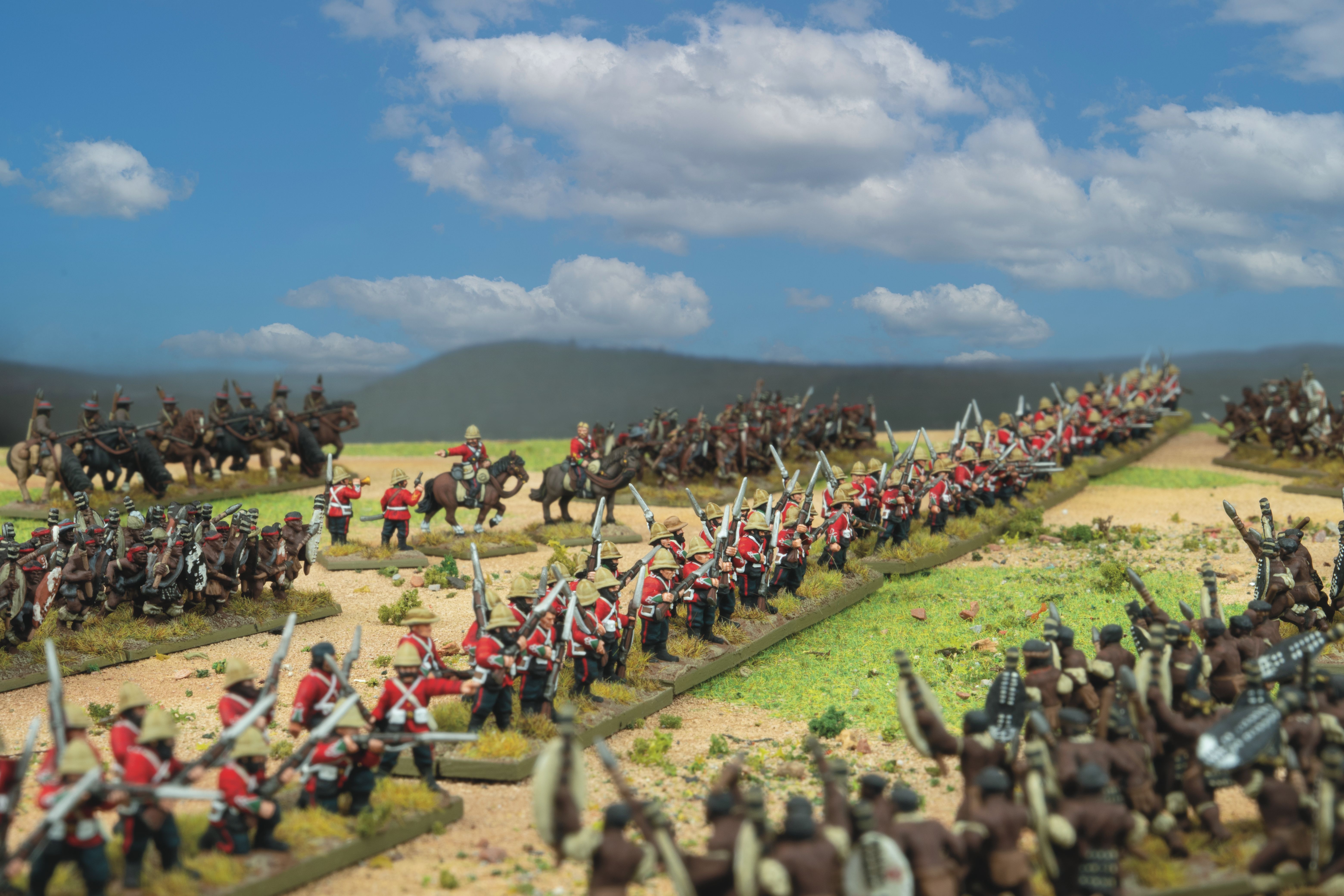
In other words, it was important that the rules work no matter what ‘scale’ you were representing in your game, so long as you were consistent. If a historical unit consisted of 50 men, and you represent this as a standard unit, then the unit of 75 men will now become a large unit whilst the cavalry squadron of 25 will become a small unit. This was important as this was a war which featured battles of every size, from skirmishes to full scale encounters, so the rules had to work for all of them.
So long as you are consistent, you can make your units as big or as small as you like and the rules (which I’m pretty sure we’ve tested to breaking point!) will cope.
The only concession we had to make was about one-on-one unit combat in melee. Because many players put their Zulu Impi in warbands, often three wide and two or three deep, it is sometimes possible for two of them to contact a British line which may be up to eight or nine bases wide. This allowed the Zulu player to bring a lot of assegai to bear on the poor British redcoat! Instead, if two or three Zulu units charge a British unit, one of them makes contact whilst the others stop and act as supports. We found that this produces more realistic results and discourages a scheming Zulu player from bringing all their units to bear on one British line at a time, the rotter.
Ready! Present! Fire!
The good thing about Black Powder rules is that they are very flexible (it’s almost like that Rick Priestley chap knew what he was doing! -ed.) and in playtests we found that many of the rules worked perfectly fine as they were.
Obviously we had to take out some formations, like attack columns, and some special rules for heavy cavalry and so on to ensure the rules were period-specific. However, many of the remaining rules needed no adjustment and worked perfectly well. Anyone familiar with the Black Powder system should have no difficulty running these games!
One special rule we did carry over from the 28mm ruleset concerns closing fire. Anyone who has played Black powder before knows that, with a good command roll, a unit can move up to three times in a single round. Whilst this is great, as it speeds up the game and provides an element of unpredictability, it did allow our Zulu Impi to close very quickly with British lines if they got a lucky command roll. This might allow the British only one round of firing before the Zulu close, which is not nearly enough to stop them, especially if the dice gods are not on your side.
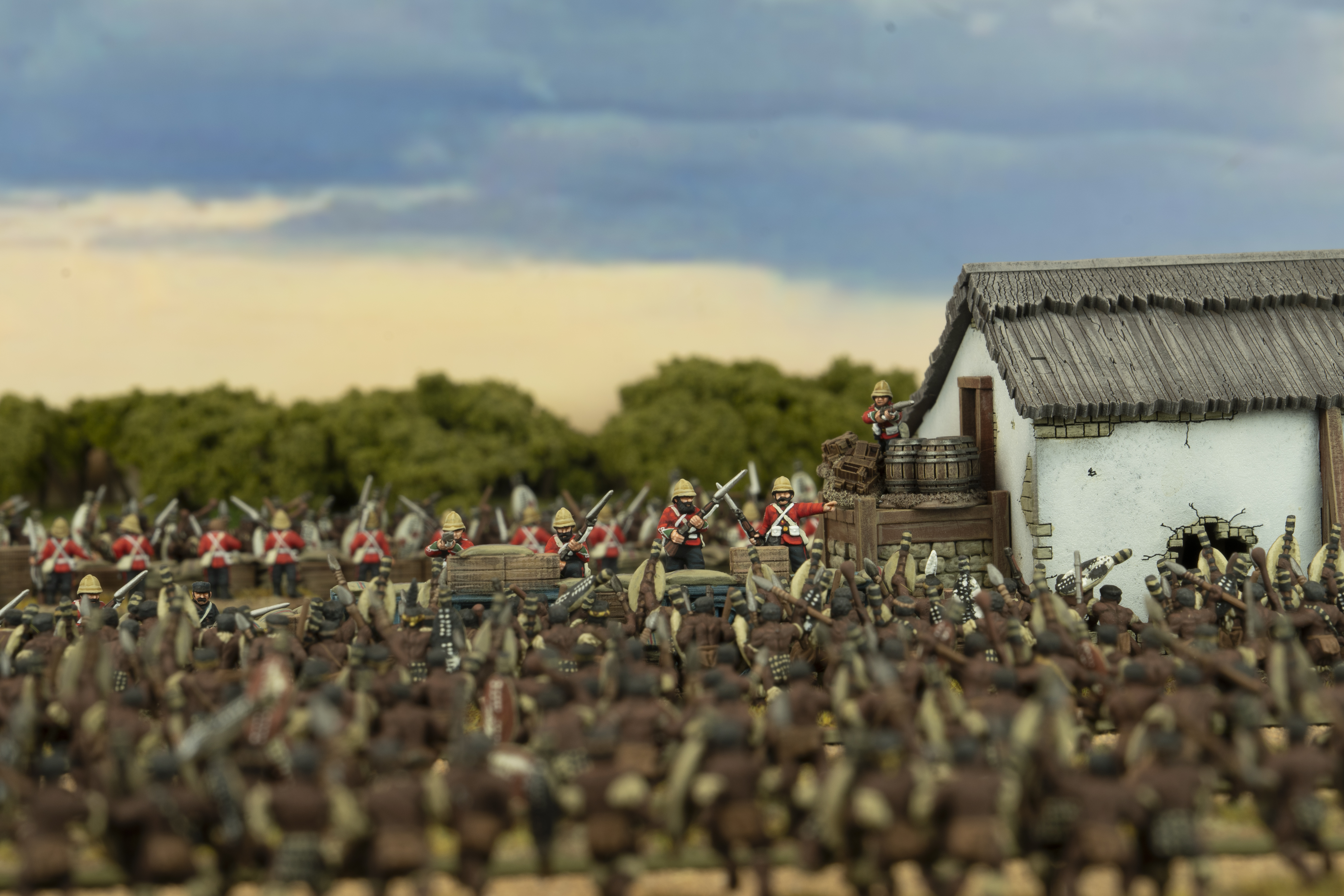
To offset this, if a Zulu unit charges a British line, rolls well on its command and moves to contact, the British get a round of closing fire for every move. For example, if the Zulu move three times to get into contact, the British get three rounds of closing fire. The rationale here is that the British would not stand and wait for the Zulu to close, but would, in the words of Lt. Bromhead, “at 100 yards… commence firing.”! This simple adjustment reset the balance and produced a more realistic outcome. Before you feel too sorry for the Zulu, if you charge with more than one unit, on balance, the Zulu still make contact and “wash their spears”!
All the Other Bits!
Generally, the rules for Zulu! follow Black Powder fairly closely. Clearly, the ranges of weapons and movement needed to be adjusted to suit the reduced Epic scale, but generally the standard rules worked well.
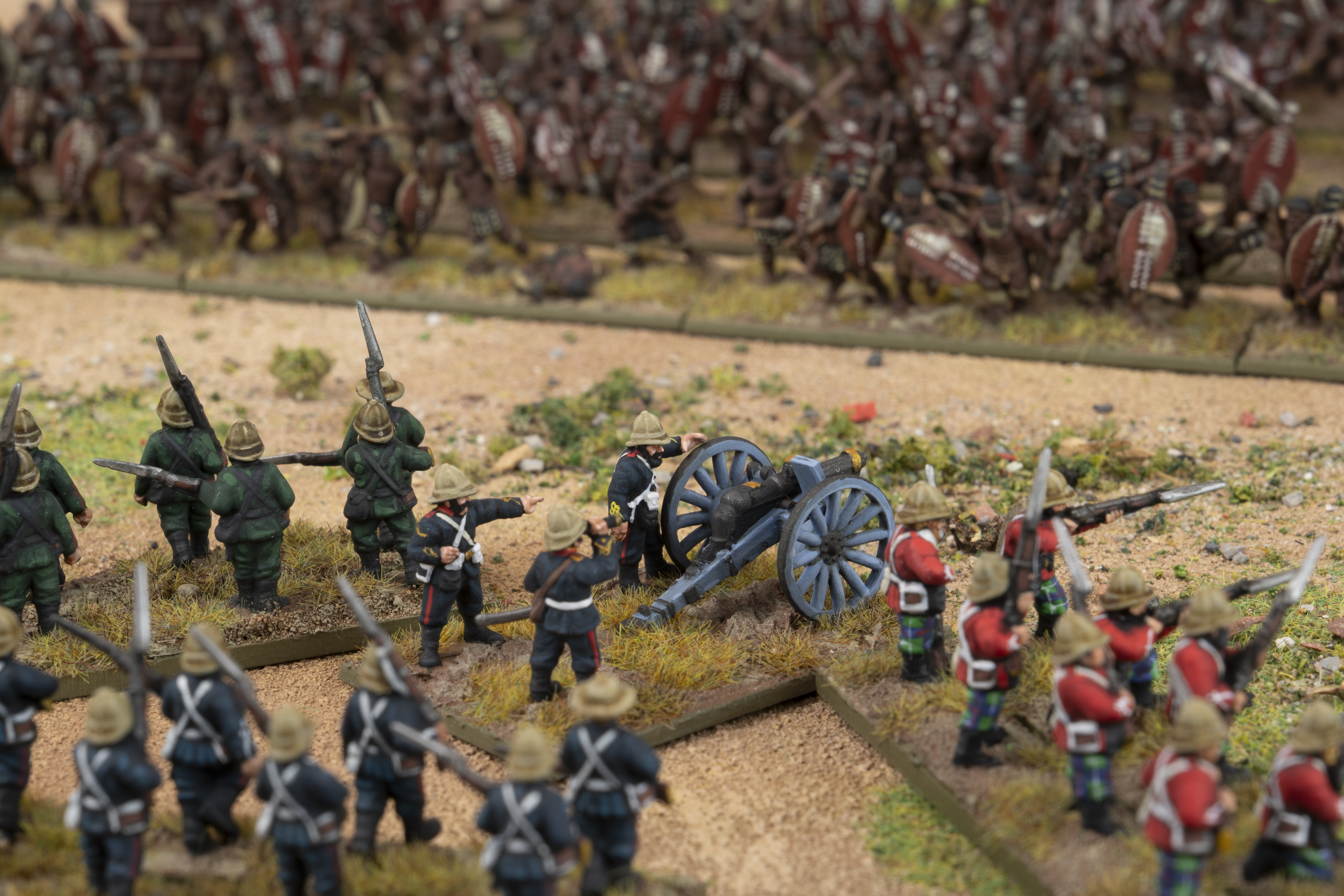
We made sure to include special rules for machine guns, lancers, slightly naff Zulu snipers, and all the other unit types that featured in this war. The number of mounted units on the British side (Police, Scouts, Natal Native Contingent) posed a bit of a challenge to make them all a little different, but hopefully they are distinct enough for the Zulu scholars amongst you. We also had to make sure the rules for mounting and dismounting were included as these units more often fought as dismounted skirmishers than line cavalry.
Big Boxed Battles
The boxed sets presented us with different challenges.
Isandlwana is a set-piece fight that translates really well to an Epic scale battle. The board is large enough for the Zulu side to manoeuvre whilst also presenting the British with a challenge as to how to defend the camp without over-stretching their lines. The set contains everything you need to set up the battle, and the rules work pretty much straight out of the box.
Rorke’s Drift presented more of an issue. First amongst these was how to stop the Zulu player bringing on all his forces onto the board at once and charging them all against one wall or, for equal effect, everywhere all at once! The defenders should be stretched, and we also had to encourage the British player to deploy their troops around the perimeter of the mission station and not just in the place where he knows the Zulu will enter.
Historically, the Zulu arrived from one direction and then, as the battle developed, moved around the perimeter to attack other faces of the mission station defences. We have tried to replicate this by allowing the Zulu player to bring their units on board from different sections of the board as the game develops. This also encouraged the British to defend as much of the perimeter as they could as they were never sure where the Zulu units would arrive next.
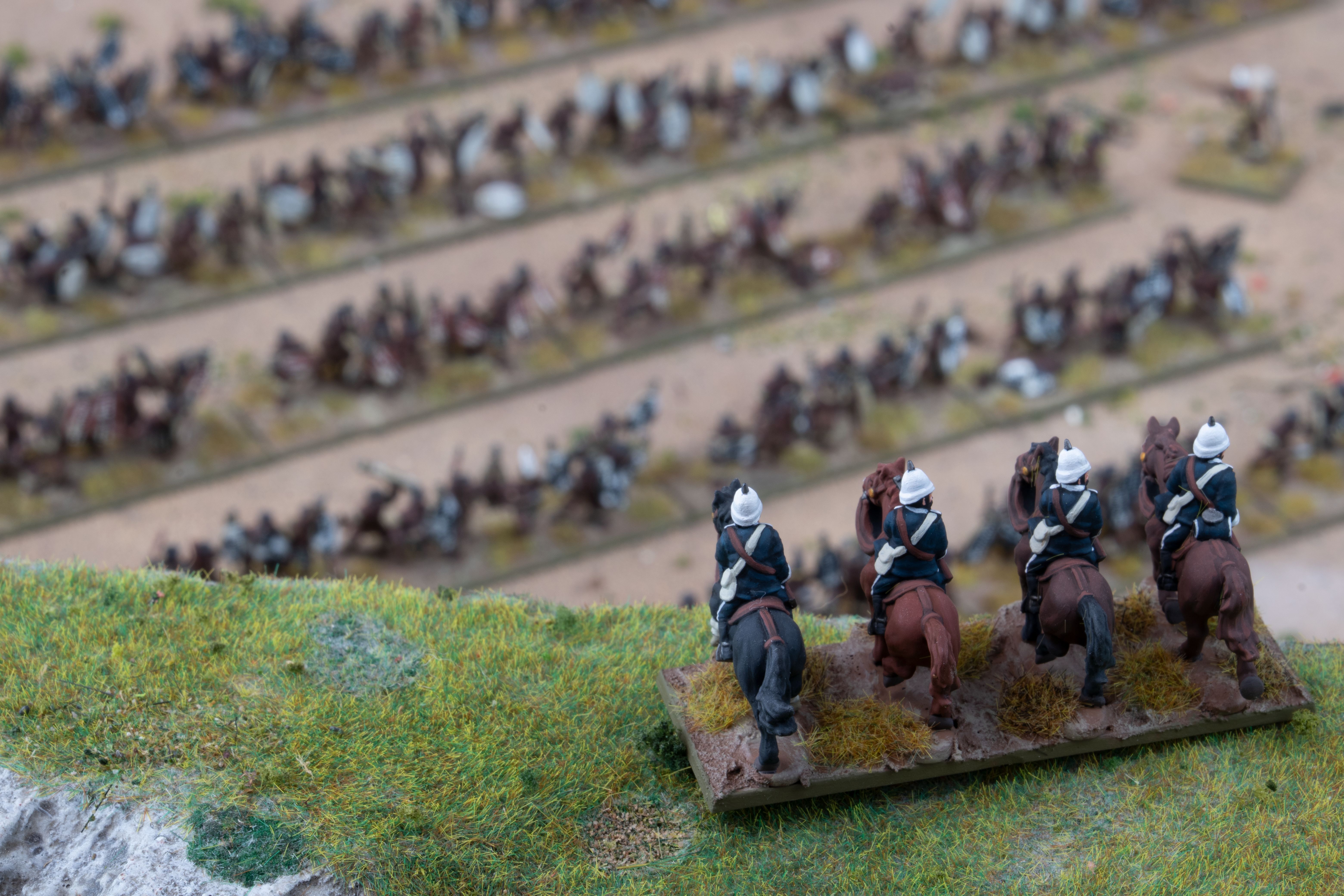
The fire and melee rules worked really well, and the fact that the roofs can be removed from the model buildings allowed us to replicate the room-to-room fighting inside the mission. To do this, we adjusted the rules for defending buildings to make Break tests that resulted in a ‘retire’ or ‘retire disordered’ result let the British fall back into an adjoining room and the Zulu to move in. We felt this really captured the feeling of the desperate fighting rather than treating the building as a single entity that the British could not be forced out of.
We also created as many special rules as we could for this battle to ensure that all the bits included in the box (water barrel anyone?) and the historical tales of heroism (forgotten tiny Americans?) were catered for. You can mix and match these rules to make each refight of this battle a little different. Feel free to use as many as you like, or as many as you think you can remember!
Introducing the Play Sheet
One thing that came out in those early planning meetings was that the boxed sets should be accessible. Whilst existing wargamers were always going to be the main market, many people would be drawn to these boxed sets due to their love of the movies ‘Zulu’ and ‘Zulu Dawn’ and a curiosity about wargaming in general.
To this end, we included an introductory play sheet for those who were completely new to wargaming. It discusses how to base your miniatures, how to paint them (or even if you need to paint them!) as well as a basic introduction to the game itself. Also included is a set of stripped-back Black Powder rules designed to play through the game in an hour or an hour and a half. Although movement, firing, and melee are included, command rolls, morale, shaken rules, and so on have been stripped out. The resulting game is quick and dirty and, above all, great fun!
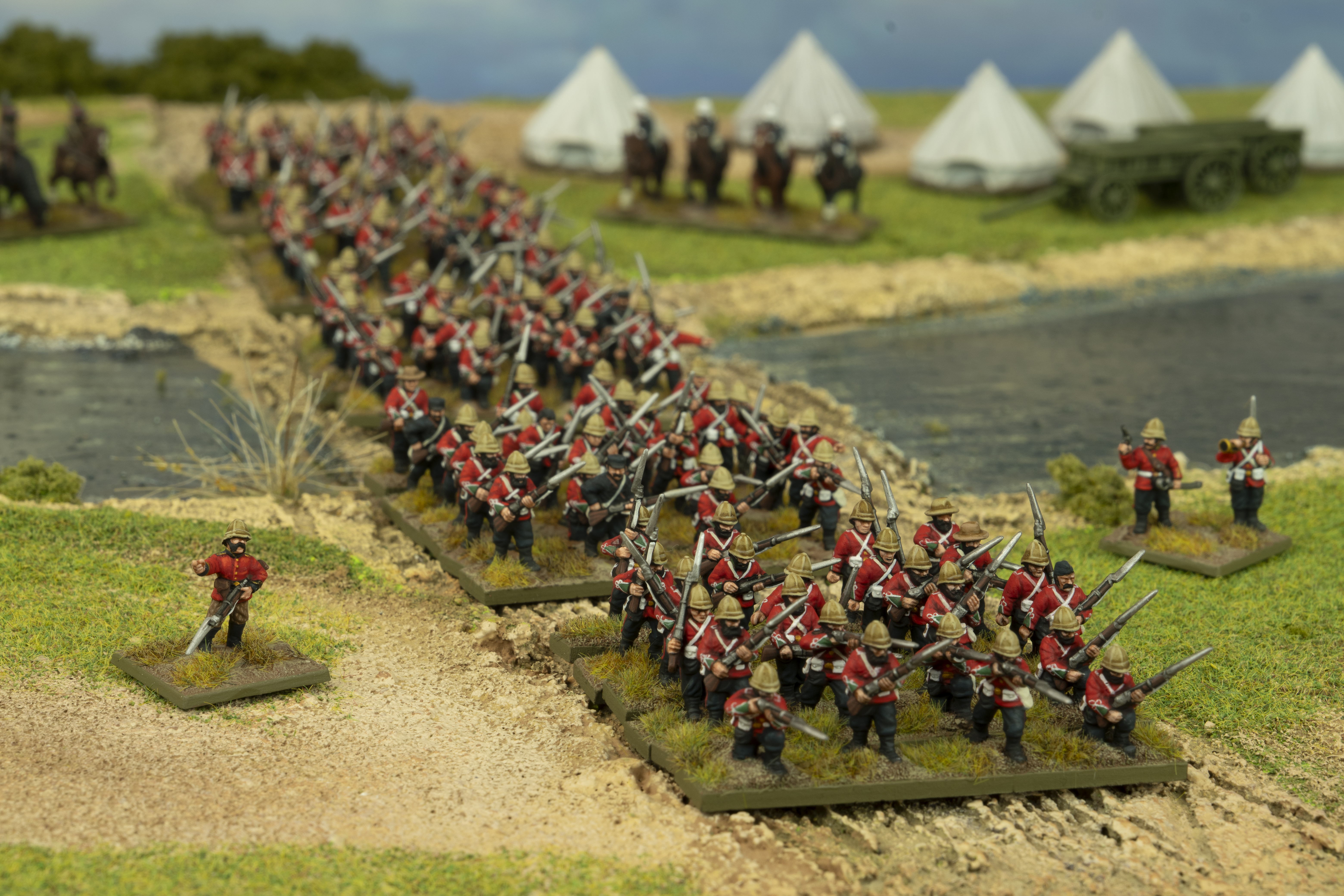
Although these rules are designed for beginners, if you are an experienced gamer who just wants a quick game I would encourage you to give them a go!
So, there you have it. My thoughts on the new game! I have to say that I am really pleased with the way the rules and sets turned out, and they are a really great example of what can be achieved with the manufacturing processes within wargaming today. My thanks to Dylan, my ever-patient editor, and to everyone at Warlord for their patience and help during playtesting. I hope you enjoy the game as much as I do. Happy gaming!
Are you ready to take up arms for Queen & Empire, or heed the King’s call to war?