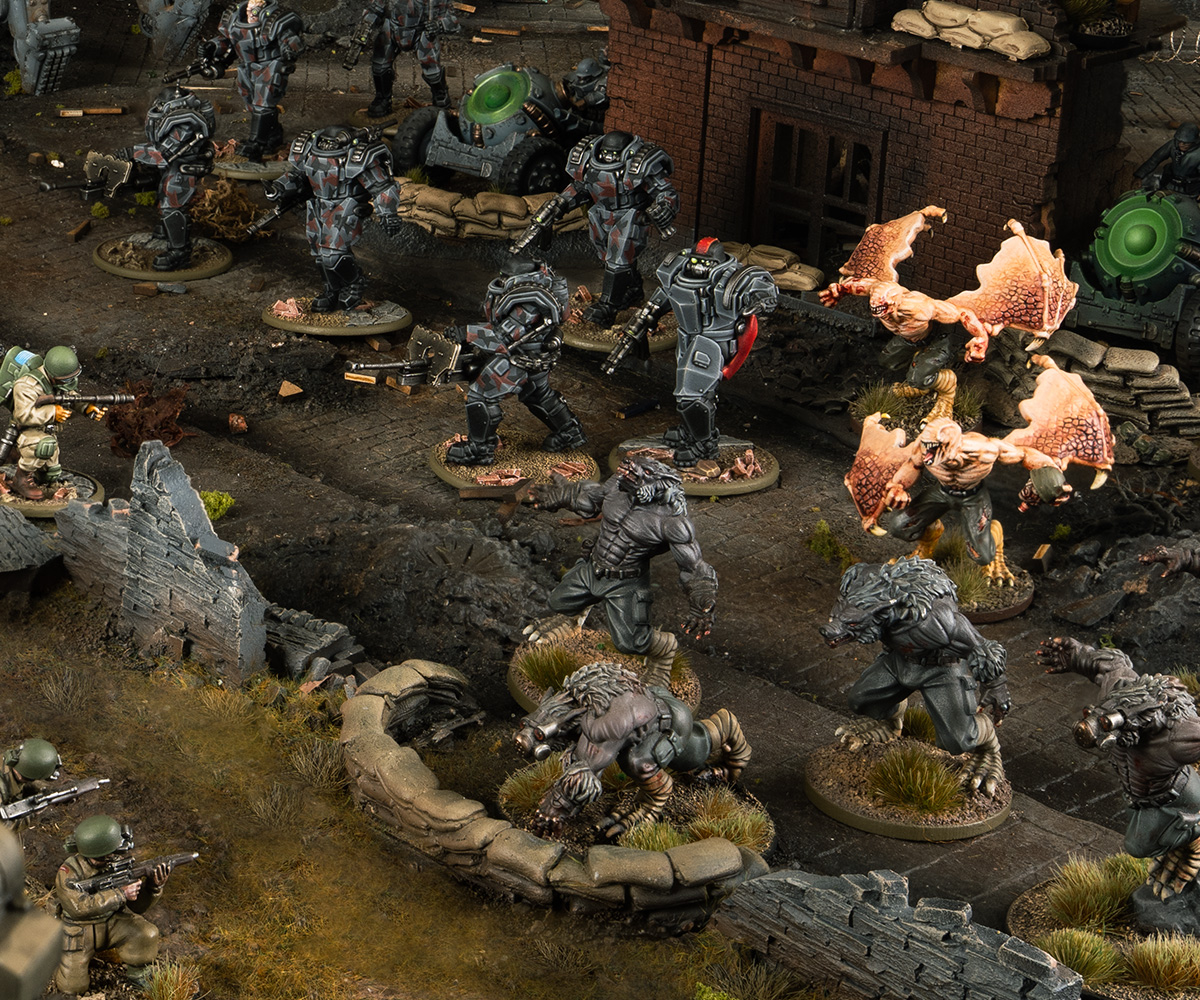
In our previous articles in the series, we’ve looked at both the Heroes (or villains) who lead our Konflikt ‘47 forces and the towering mechs that combine marvels of engineering with Rift-born technology.
Not every creation of the Rift was forged from tempered steel, however. Some were born in secret bunkers and ruined cities, where the line between science and sorcery blurs, and twisted ambition turns men into monsters.
The influence of the Rifts has twisted life itself, producing horrors that defy reason and morality. Some of these horrors are intentional sculpted by the Axis’ reckless experimentation. Others are accidents, or worse, are the reflections of what humanity thought it could control.
These are the monsters of Konflikt ’47: living (or once-living) embodiments of the war’s darkest impulses. They are stronger, faster, and harder to kill than any normal soldier, driven by instinct, faith, or programming to hunt and destroy. Where the heroes inspire and the mechs endure, the monsters simply kill.
What Makes a Monster?
In Konflikt ’47, monsters represent the Rifts’ most direct interference with the living world. They are soldiers reshaped, corpses reanimated, or creatures born from warped science. On the tabletop, they combine elite infantry profiles with unnatural resilience and close-combat power, standing apart from conventional forces by how they fight, and how they refuse to die.
From a rules perspective, all of the monsters we are looking at are Specialist Infantry, which allows them to fill the compulsory sections of the Assault Platoons which make up the heart of all Konflikt ‘47 armies.
Generally, they have a focus on close quarters combat, often bringing the Deadly rule to the table. Most importantly, all of them bring powerful Rift abilities, with a wide array of Active Rift Enhancements and often a game-changing Surging Bonus.
The Nature of the Beast – Resilience and Rage
Monsters are defined by their resilience. Most boast a Damage Value of 6+ or 7+, forcing opponents to commit serious firepower just to slow them down. Combined with traits like Fearless and Hard to Kill, these units can shrug off damage with at worst a 5+ Cover Save, even while in the open, ignore morale checks, and keep advancing long after lesser troops would have broken. When unleashed upon the battlefield, they need to be dealt with or they simply won’t stop until everything is dead.
Their aggression is just as defining. Many Monsters carry the Deadly or Tough Fighters rules, turning every assault into a brutal exchange of blows with units rolling multiple attacks in Close Quarters, often with bonuses to their pen value.
Used well, these units become living weapons that thrive in the chaos that they create. Their Fearless nature forces protracted close-quarter combats, where their resilience can come to the fore and allow them to inflict as much damage as possible.
Unnatural Movement
Just as their origins vary, so too do the methods by which these creatures move across the battlefield. Some, like the Nachtjäger, take to the skies with the Flight rule, soaring over cover to strike from unexpected angles. Others, like the Shibito or Totenkorps, shamble forward with the relentless pace of the dead, their slow advance masking an inevitable charge.
These contrasting speeds shape how monsters fight. The swift often rely on precision and timing with elite Fast units, capable of hitting hard and retreating before the enemy can react. The slower horrors favour attrition, using resilience and sheer numbers to grind opponents down.
A few even blend the two. Units such as the Nachtalben use Infiltrator and Fieldcraft to appear where they’re least expected, unleashing short bursts of fire from their SMGs before melting back into the dark. Whatever form it takes, each monster moves with purpose, driven not necessarily by orders or tactics, but by instinct. Usually, that instinct is for something violent!
Unbound Power
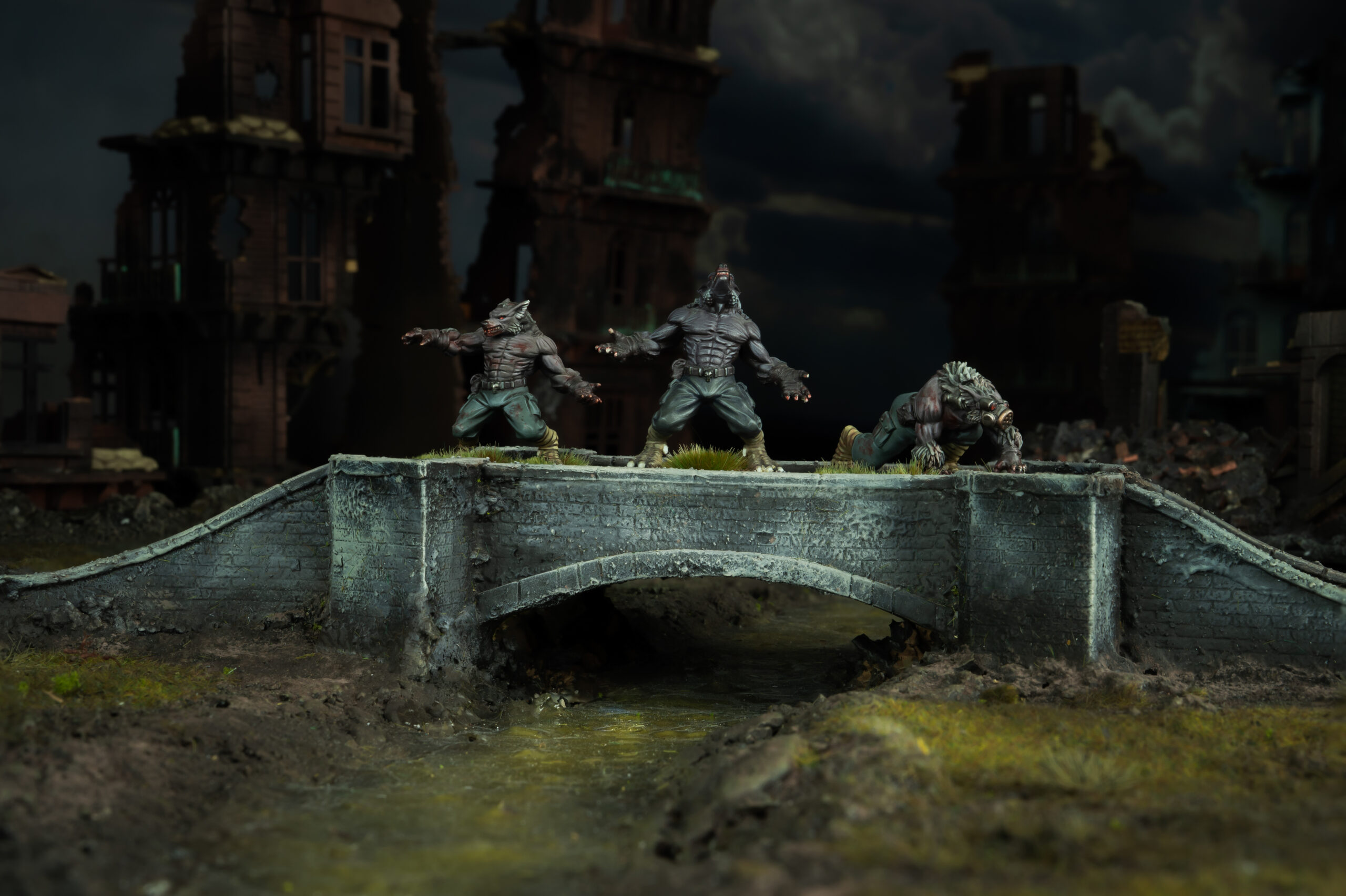
Every monster draws its strength from the Rift, but that power is never without cost. Most possess a unique Active Rift Enhancement, special abilities that can be triggered once per turn by exhausting one of the unit’s Rift Dice. The Schreckwulfen’s Howl at the Moon, for example, sends shockwaves of terror through nearby troops, while the Ursus Infantry’s Ursine Fury drives them into a frenzied assault.
Each of these units also benefits from being assigned a Surging Rift Die, granting stat boosts or additional Special Rules. There are few things more terrifying on the battlefields of Konflikt ‘47 than one of these units of Specialist Infantry with a Surging Rift Die. However, these rift fueled abilities come at a cost. Once their Rift Die is Exhausted, their unnatural vitality fades, often losing access to one of their special rules, or being unable to carry out specific orders.
If you want to use these units well, timing is everything. While their abilities can make Rift-fuelled creatures incredibly powerful, their strength is never constant. On the tabletop, it’s always a gamble between restraining the monsters, or letting them loose.
On the Tabletop
While the creations of The Green Vault epitomize the evolution of this style of warfare, they are by no means alone in embracing the realities of what the Rift Power can create.
Axis – The Menagerie of Horrors
The Axis powers remain the undisputed masters of the Rift’s darkest gifts. Their laboratories have unleashed numerous abominations that fulfill different battlefield roles.
The Totenkorps and Schreckwulfen are both hard-hitting terror troops that will force a reaction from your opponent the second they hit the table. They are resilient, either replenishing their numbers through The Dead Rise – Again! or shrugging off damage with Hard to Kill, sitting at a Damage Value of 7+ (8+ with a Surging Rift Die). Both units also excel in close quarters where, even if they lose a round, they will stick in the fight due to their Fearless nature, locking in your enemies into unfavorable combats.
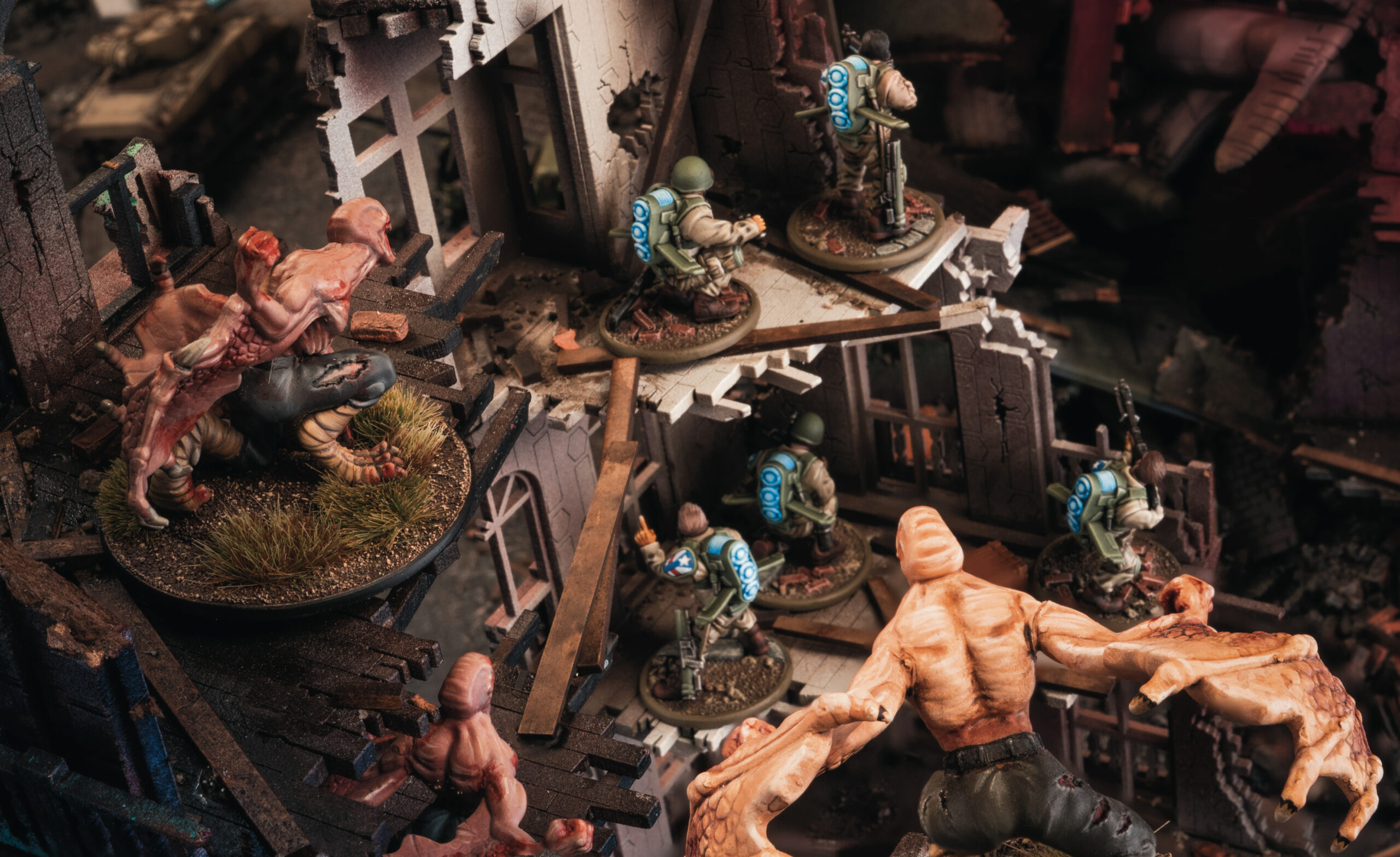
The eerie, half-human Nachtalben and Nachtjäger are more specialized. They are scalpels that need to be wielded with care to maximize their potential. Waiting for the right time to strike, the Nachtalben work best when launching Surprise Assaults with a Surging Rift Die. Their weapons gain Tough Fighter, and the Deadly (2) bonus from the Surging Rift Die lets them roll a large number of dice in Close Quarters. After attacking, they can use Shadow Dance to shift into Ambush, ready to punish any counterattack.
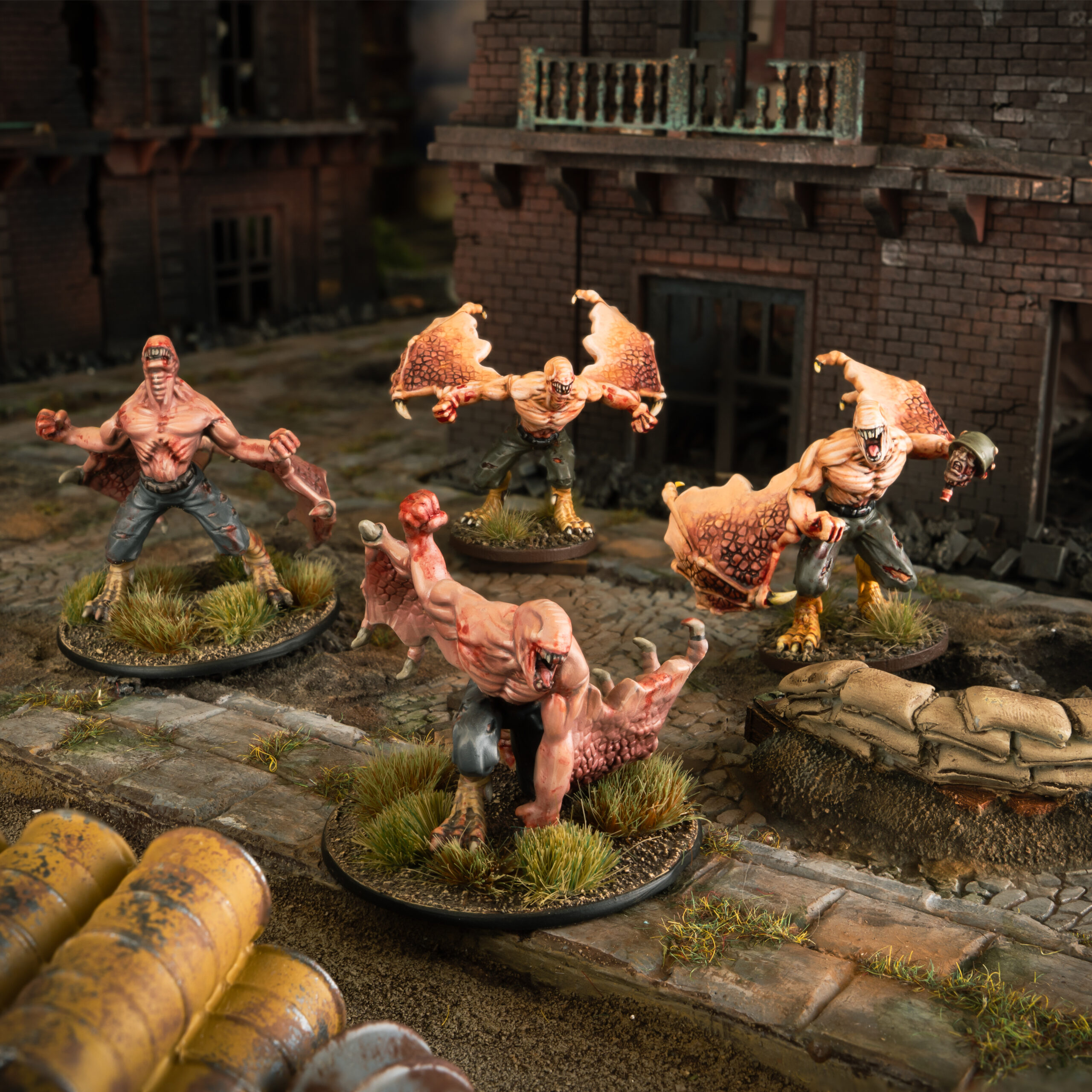
The Nachtjäger are winged terrors. Their small unit size and low cost make them excellent for Axis forces that need cheap units capable of punching far above their weight. Winged Fury lets them strike before enemy infantry that they catch in the open, and their 18″ flight move, Pen 1 Talons, and Deadly (2) bonus combine into a package that even Damage Value 7+ targets need to respect.
Axis Monsters excel in shock tactics and close combat. They reward bold players who embrace risk, forcing opponents into costly reactions instead of calculated plays.
Soviet Bloc & Empire of Japan – Strength Through Suffering
The Soviet Ursus Infantry are walking symbols of raw strength and resilience. Their Ursine Fury can turn them into rampaging engines of destruction, granting Fast and +3 Pen in Close Quarters. Combined with Hard to Kill and a Damage Value of 7+ (8+ with a Surging Rift Die), they can soak up punishment that would destroy any normal infantry, and when equipped with their Mauls, they are a threat to even heavily armoured enemy vehicles.
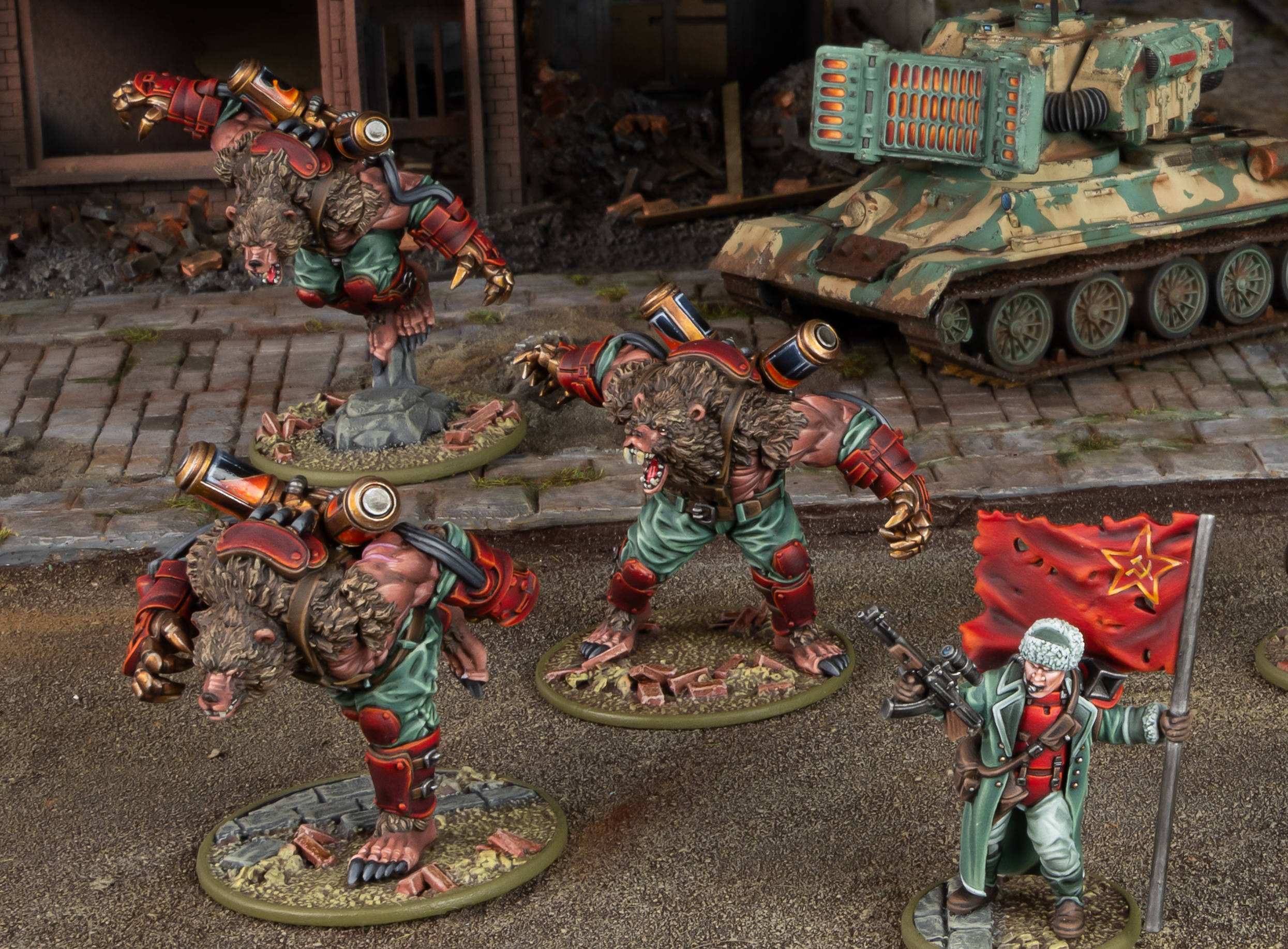
The Moroz Gul take a more sinister form. These Siberian terror troops can form a Killing Mist to cloak themselves in icy vapour that grants Light Cover and negates Defensive Positions during assaults. With a combination of Fast, Fieldcraft, and Infiltrator, they have all the tools necessary to go where you need them to be, and make excellent objective holders as their Killing Mist can combine with Infiltrator while they lay in Ambush, giving them a 4+ Cover Save even if they are technically in Open Ground!
Japan’s horrors, the Shibito, are similar to the Axis Totenkorps. Replenishing their numbers through The Dead Rise – Again!, they move faster than their German counterparts, even gaining access to Fast if they have a Surging Rift Die. They offer ways to bog down your opponent or just give them problems, but remember that these horrors are not as tough, with only a 5+ Damage Value, and so need to be handled with care.
Both Soviet and Japanese monsters thrive in Close Quarters, but demand different mindsets to use. Soviet players should lean into brute endurance and overwhelming counter-punches, while Japanese forces reward timing and sudden bursts of speed.
United States & British Commonwealth – The Price of Perfection
The Allies may not breed monsters in the same grotesque sense as their enemies, but the Rift has changed them too. Where the Axis twisted flesh and bone, the Western powers turned their genius and industry toward mastering the same unnatural forces through control and calculation.
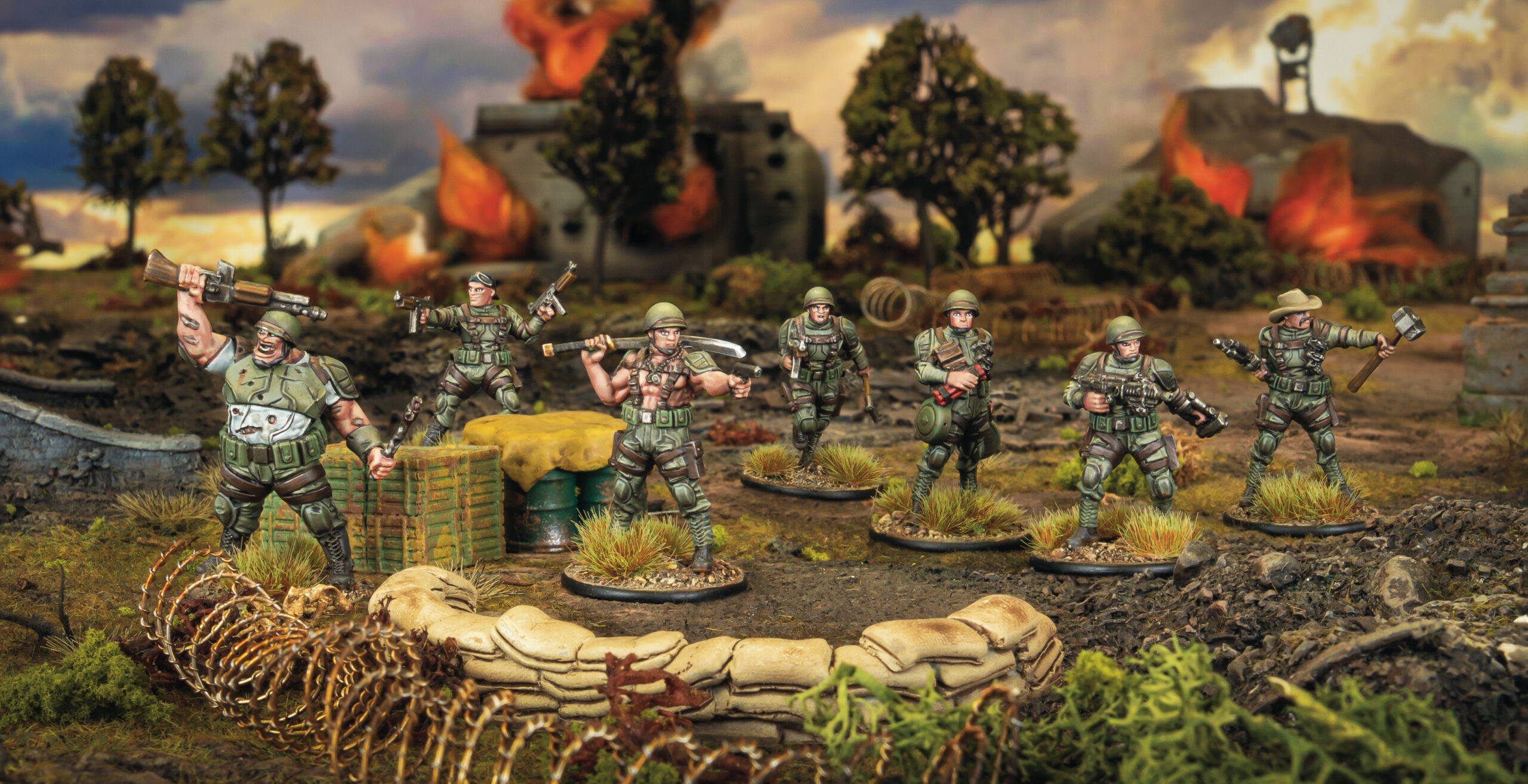
For the United States, the Paragon Squads represent that dream of the perfect soldier, enhanced through measured exposure to Rift energy and armed with the best that science can offer. Their Gung Ho! ability gives them access to Guts points, letting them act as if they were Heroes in miniature. They fight with relentless precision, shrugging off fear and fatigue, turning every order into a statement of will. With Heavy and Fast, they embody the pinnacle of what humanity will strive to be in victory.
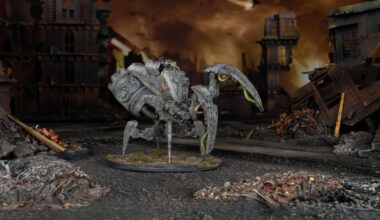
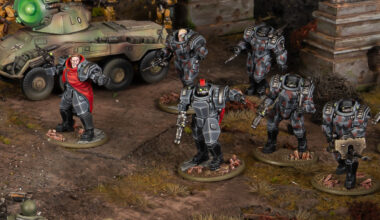
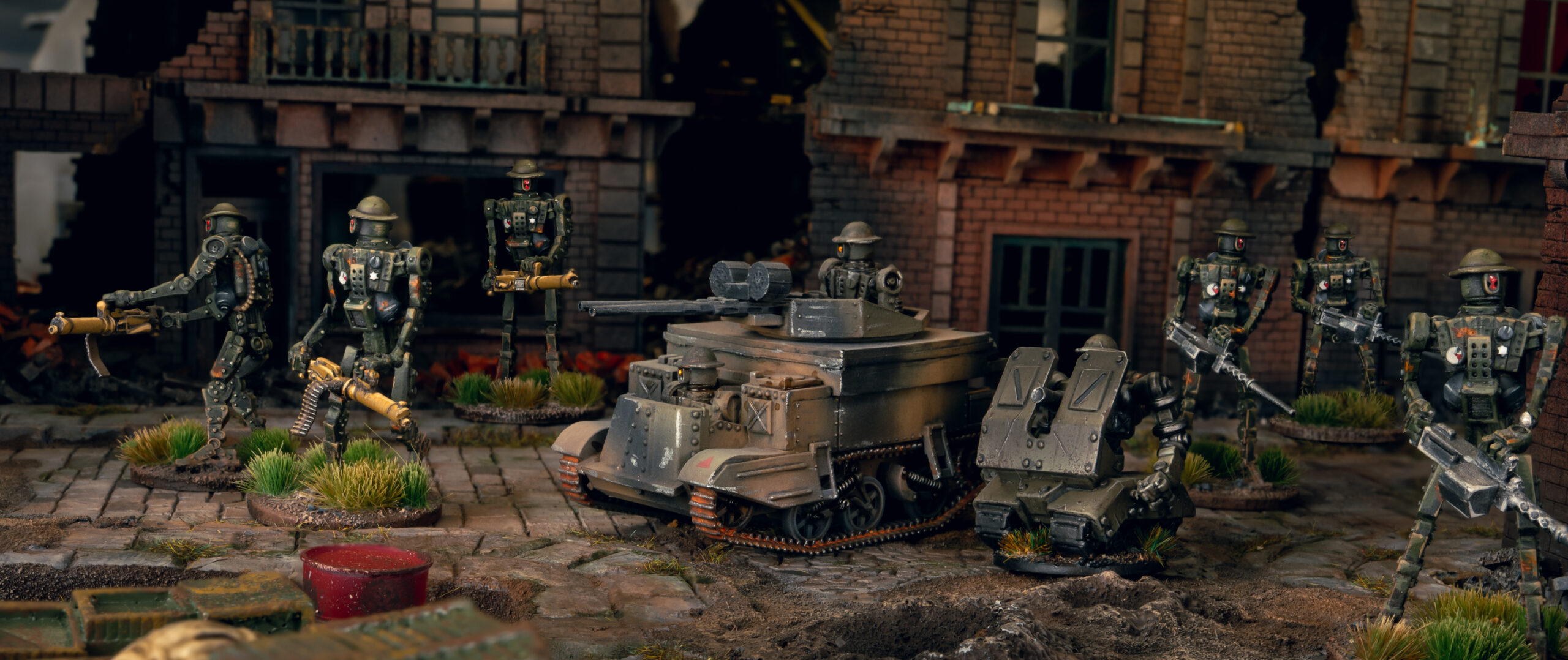
The British Commonwealth’s Automated Infantry, Automated Mobile Platforms, and Automated Carriers take that same ideal in a different, more cold and calculating direction. Striding into battle as near-independent constructs, capable of coordinating through Computational Systems and fighting without hesitation, they are immune to fear, fatigue, and reason, efficient to the point of horror. Their Lumbering pace shatters any illusion of grace, hinting at the cost of removing the human element from war entirely.
Together, these units reflect the Rift’s ultimate lesson: that power, once discovered, cannot be contained. The Axis unleashed monsters through recklessness, the Soviets and Japanese through desperation, but the Allies embraced the Rift knowingly. They chose to master it, and in doing so, proved themselves no less monstrous.
Allied Rift units combine discipline and precision. Paragons excel in adaptable mid-range combat, able to pivot from assault to objective play, while Automated Infantry anchor firing lines and project mechanical dominance across the table. But behind that control lies the same darkness — victory at any cost.
Closing Thoughts
Across the battlefields of Konflikt ’47, the Rifts have changed not just how wars are fought, but why. It began as a promise of progress, salvation, and an end to human suffering. What it delivered instead was a revelation: that no nation, and no ideology, could resist the temptation of ultimate power.
The Heroes remind us that courage can still matter, even in the face of annihilation. The Mechs show the heights of human invention and the arrogance that comes with mastering it. The Monsters are the result of both, reflections of what happens when ambition and fear go unchecked.
In the end, Konflikt ’47 is not a story of good and evil, but of fear and control. The Rift did not make humanity monstrous; it simply revealed what was already there.
So, as the dice fall and the smoke clears, remember that every order given, every shot fired, and every creation unleashed carries the same truth. Victory always has a cost. Only those willing to pay it can hope to survive.
Are you ready to join the fight?